
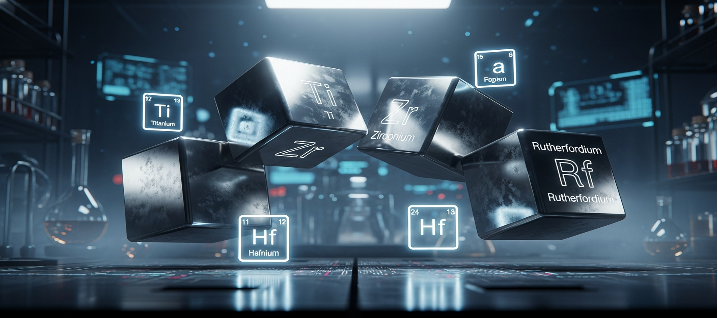
At first glance, the Periodic Table can feel like a grid you memorise and move on from. But look a little closer at Group 4, and things get interesting fast.
This small column – titanium, zirconium, hafnium, and the lab-made rutherfordium – punches far above its weight. These elements show up in jet engines, nuclear reactors, medical implants, and even the microchips inside your phone.
What ties them together isn’t just where they sit on the table – it’s how they behave. Thanks to their electron structure, Group 4 elements are tough, stable, and remarkably resistant to corrosion. In other words, they’re built for extreme conditions.
In this guide, we’ll break down what makes these elements unique, why zirconium and hafnium are often called “chemical twins,” and how this group quietly powers some of the most advanced technologies we rely on.
Key highlights
- Group 4 includes titanium (Ti), zirconium (Zr), hafnium (Hf), and the synthetic element rutherfordium (Rf)
- These elements share a common electron structure, which drives their preference for a stable +4 oxidation state
- Titanium, zirconium, and hafnium are exceptionally strong and corrosion-resistant thanks to a self-forming protective oxide layer
- Zirconium and hafnium are chemically almost identical – but behave in completely opposite ways inside nuclear reactors
- From aerospace and medical implants to nuclear energy and microchips, Group 4 elements are built for extreme environments
- Rutherfordium exists only in laboratories and helps scientists explore the limits of the Periodic Table
What defines Group 4 elements?
Group 4 elements share a common foundation: they each have four valence electrons – two in the s-orbital and two in the d-orbital. That detail might sound small, but it drives almost everything about how they behave.
Because of this structure, these elements strongly prefer a +4 oxidation state. It’s their most stable form, and it appears consistently in their compounds – from titanium dioxide in paint to zirconium alloys in nuclear reactors.
They also form a thin, protective oxide layer when exposed to air. This layer acts like a shield, preventing corrosion. That’s why titanium can function inside the human body, and why zirconium performs reliably in extreme industrial environments.
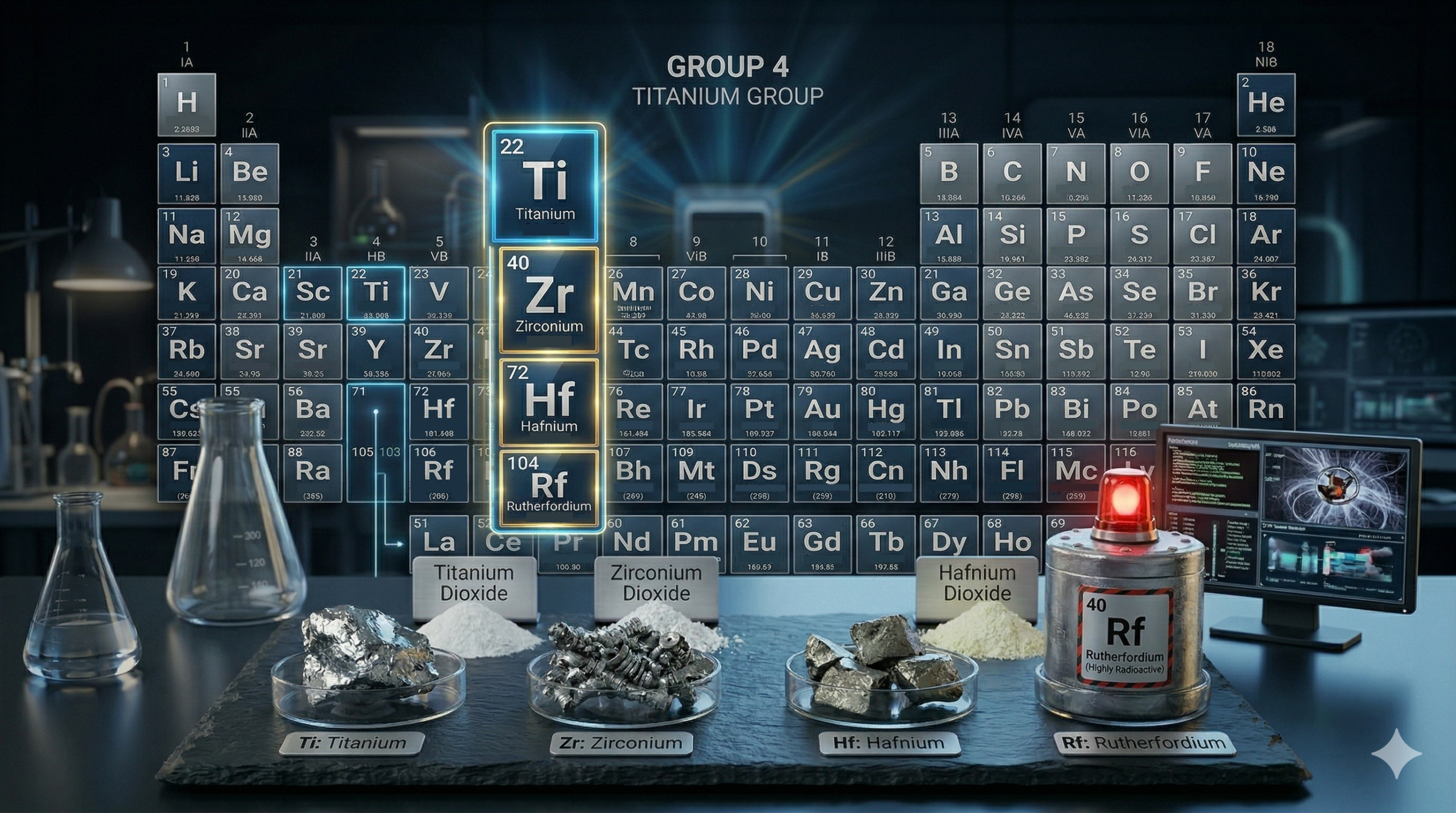
Zirconium and hafnium: The almost-indistinguishable pair
If there’s one standout quirk in Group 4, it’s the relationship between zirconium and hafnium.
Despite being far apart in atomic number, they are nearly identical in size. This is due to something called the lanthanide contraction, which effectively “shrinks” hafnium’s atomic radius to match zirconium’s.
The result? Chemically, they behave almost the same-and are notoriously difficult to separate in nature.
But in nuclear applications, that similarity disappears:
- Zirconium barely absorbs neutrons, making it ideal for fuel rod cladding
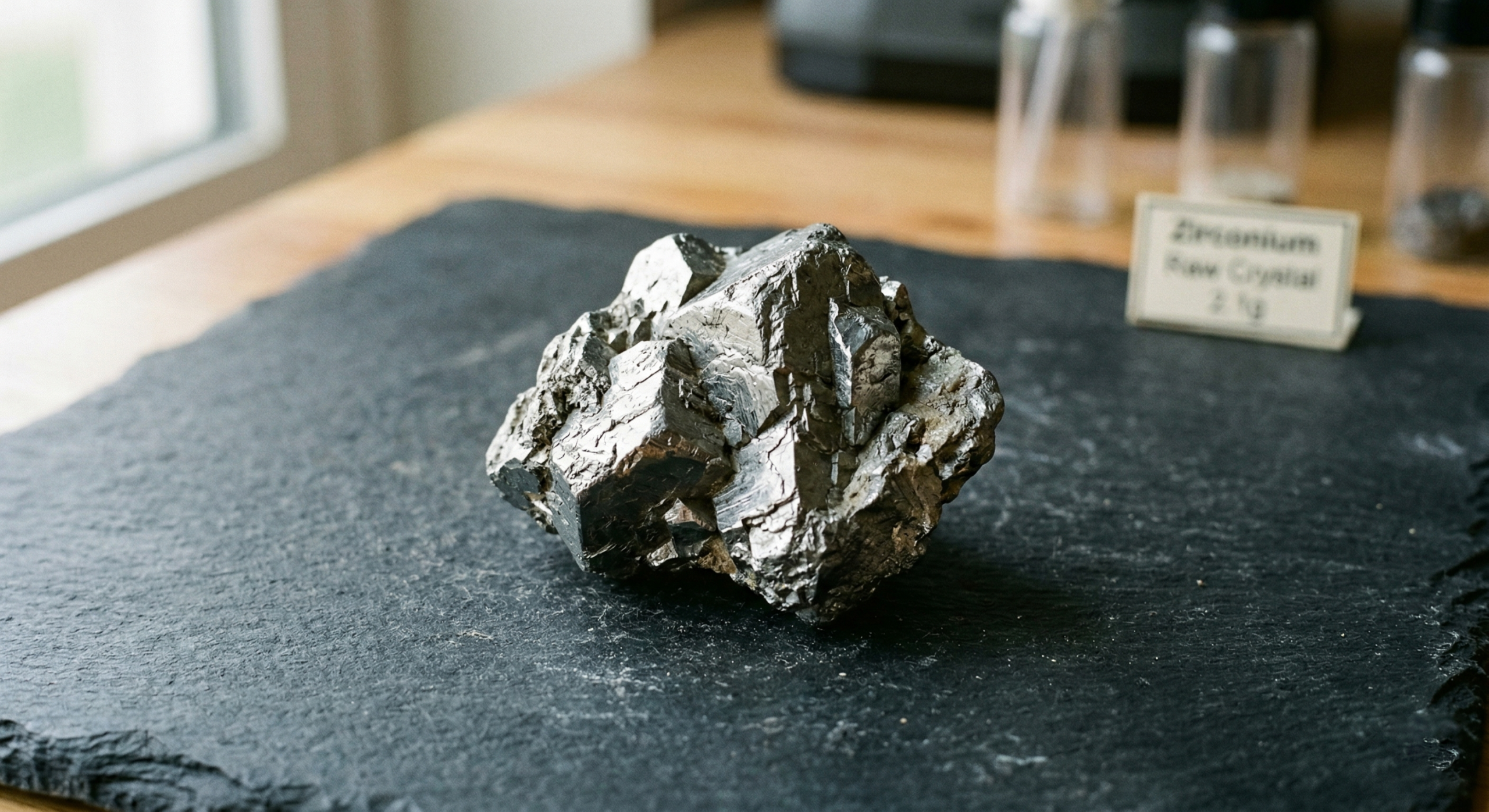
- Hafnium absorbs neutrons extremely well, making it perfect for control rods
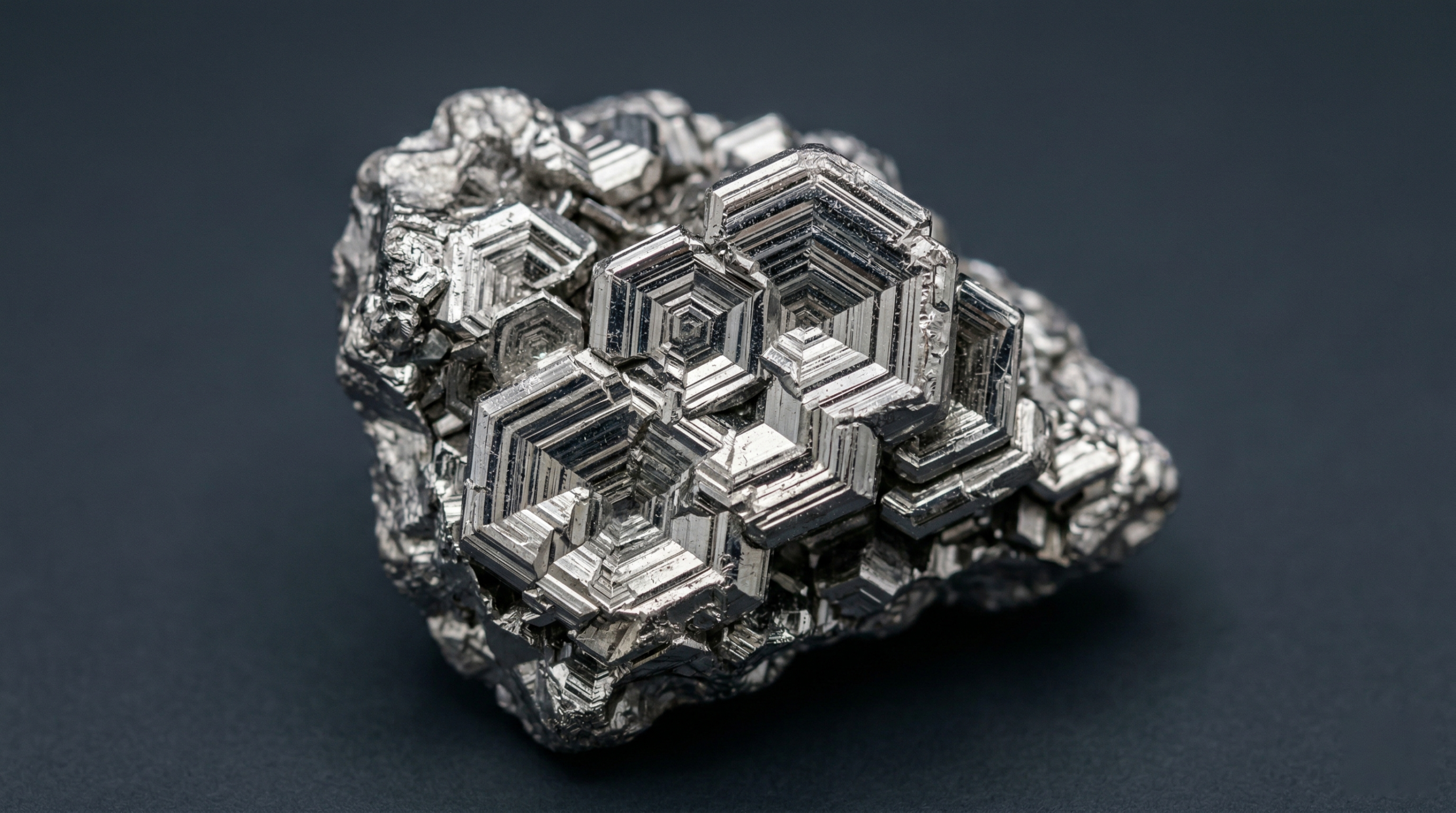
Same size. Similar chemistry. Completely opposite roles.
Physical and chemical properties
Group 4 elements are strong, dense metals with high melting points and excellent durability. Titanium stands out for its low density and high strength-to-weight ratio, while hafnium is significantly denser.
They are also refractory metals, meaning they can withstand extremely high temperatures without breaking down. Their strong metallic bonding contributes to both their hardness and thermal stability.
Chemically, their behavior is dominated by the +4 oxidation state. While titanium can also form +3 compounds, zirconium and hafnium almost exclusively remain in the +4 state. Their resistance to corrosion comes from the oxide layer that forms naturally on their surface.
How Group 4 elements are used in the real world
What makes Group 4 elements so valuable isn’t just their chemistry – it’s how reliably they perform under pressure. Heat, corrosion, and radiation are environments where most materials fail. Group 4 metals don’t.
Titanium: strength without the bulk
Titanium is as strong as steel but significantly lighter, making it essential in aerospace engineering. It’s used in aircraft frames, jet engines, and high-performance equipment.
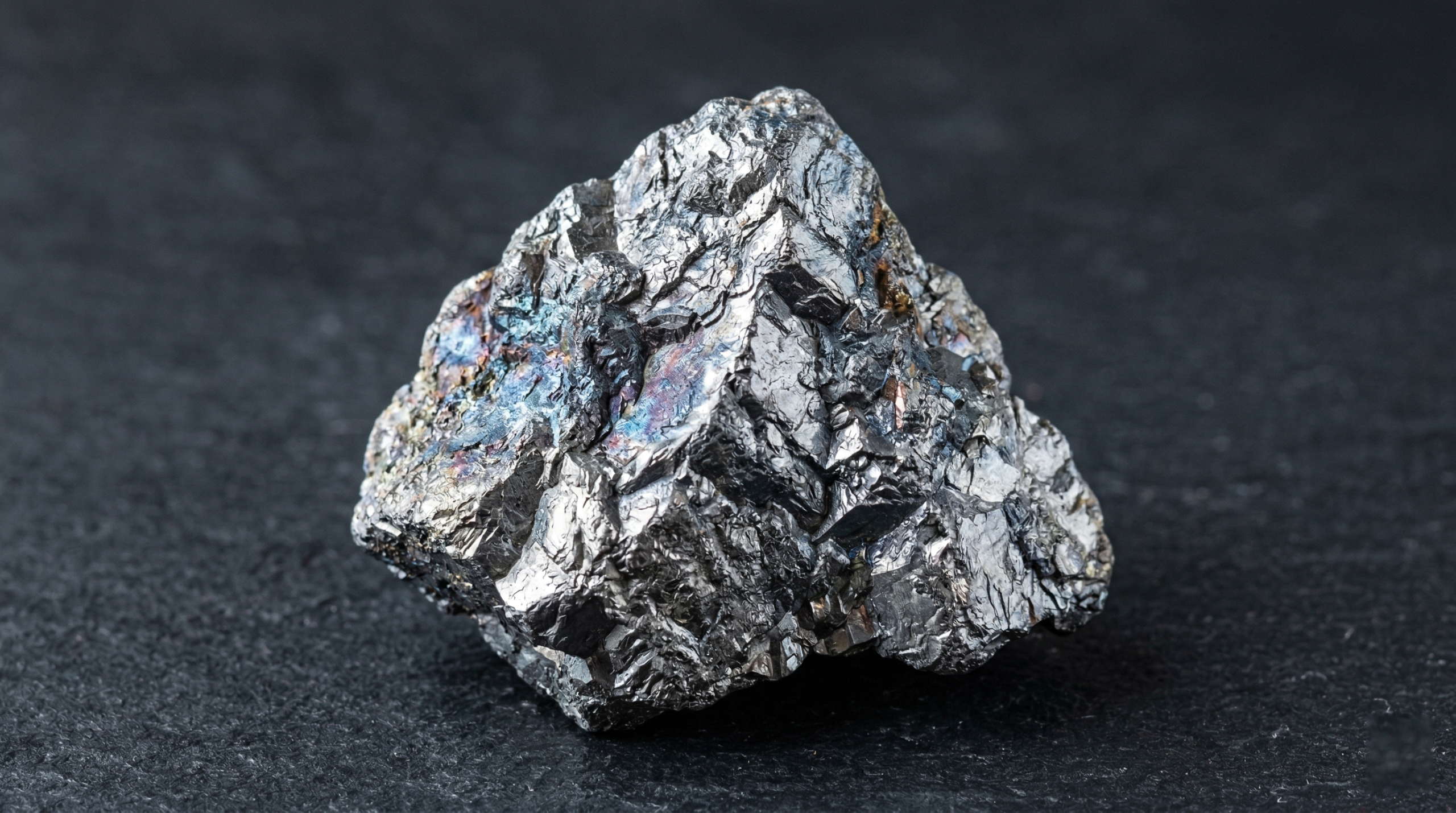
Because it’s biocompatible, titanium is also widely used in medical implants like joint replacements and dental fixtures.
Its compound, titanium dioxide (TiO₂), is just as important – found in paints, sunscreens, and everyday products as a bright white pigment and UV blocker.
Zirconium: Built for extreme environments
Zirconium is highly resistant to corrosion, making it ideal for use in chemical processing equipment exposed to harsh substances.
Its most critical role, however, is in nuclear reactors. Zirconium alloys are used to encase fuel rods because they do not absorb neutrons, allowing reactions to proceed efficiently while maintaining safety.
Hafnium: Small element, big impact
Hafnium plays a crucial role in both nuclear technology and electronics.
In reactors, it absorbs neutrons, allowing it to control nuclear reactions. In electronics, hafnium oxide is used in advanced microchips, enabling smaller, faster, and more efficient processors.
Rutherfordium: Science at the edge
Rutherfordium is not found in nature and exists only for fractions of time in laboratory conditions. It has no commercial use.
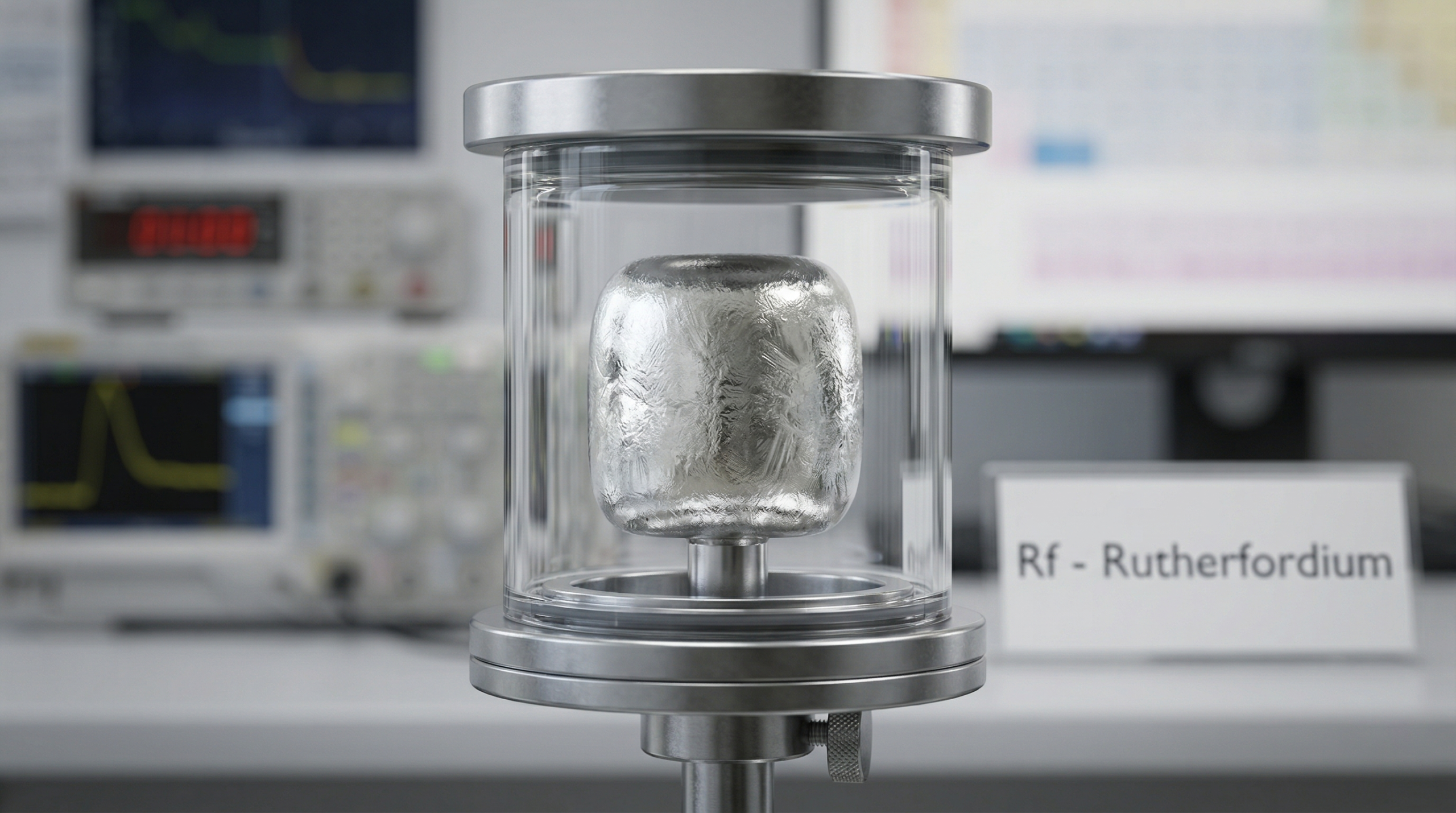
Its importance lies in research. By studying rutherfordium, scientists gain insight into the behavior of superheavy elements and the limits of the Periodic Table.
Natural occurrence and extraction
Titanium, zirconium, and hafnium are found in mineral deposits, often in heavy sands. They are never found in pure form and require complex extraction processes.
Titanium is typically extracted using the Kroll process, which converts ores into titanium metal through chemical reduction.
Zirconium is obtained from zircon minerals and must be carefully separated from hafnium due to their chemical similarity. Hafnium is produced as a byproduct of this process.
Why Group 4 matters
Group 4 elements may not be the most talked about, but they are essential to modern life.
They enable lighter aircraft, safer nuclear energy, advanced electronics, and critical medical technologies. Even rutherfordium, with no practical application, expands our understanding of science itself.
The more you look at this group, the clearer it becomes: the Periodic Table isn’t just a chart – it’s a blueprint for how the world is built.
Need help visualising the electron configurations of the Group 4 elements? Watch the full explanation video and master this section of the D-block.
Quick facts: Group 4 at a glance
Element | Melting Point | Key “Superpower” |
Titanium | 1668°C | Highest strength-to-weight ratio. |
Zirconium | 1857°C | Exceptional corrosion resistance and neutron transparency. |
Hafnium | 2233°C | Massive neutron absorption; essential for electronics. |
Rutherfordium | ~2100°C (est.) | Purely for scientific discovery; highly radioactive. |
Frequently asked questions
How can I easily identify transition metals on the Periodic Table?
You can easily identify transition metals on the Periodic Table by looking at the large central block of elements, known as the d-block. These d-block elements, spanning Groups 3 through 12, are defined by having partially filled d orbitals. Their atomic number ranges from 21 (Scandium) to 112 (Copernicium).
What are the most important uses of titanium, zirconium, and hafnium in everyday life?
The most important uses include titanium in aerospace parts and medical implants due to its strength and corrosion resistance. Zirconium is crucial for nuclear reactor components and durable ceramics. Hafnium is vital for nuclear control rods and as an alloy in superalloys for jet engines, as well as in microelectronics.
Why is rutherfordium (Rf) classified as a transition metal?
Rutherfordium (atomic number 104) is classified as a transition metal because of its predicted electron configuration. It is expected to have valence d electrons, placing it in the d-block of the Periodic Table, directly below hafnium in Group 4. This electronic structure dictates its chemical behavior as a transition metal.